
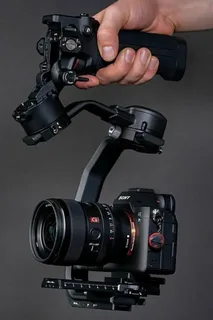
Outdoor photography is one of the most exciting ways to capture beautiful images. It allows you to work with natural light, explore different locations, and create photos that feel real and alive. Whether you are taking pictures in a park, on a mountain trail, at the beach, or in your backyard, outdoor photography gives you endless opportunities to improve your skills. OncePik helps photographers discover simple techniques and creative ideas that make outdoor photography more enjoyable and rewarding. Many beginners think they need expensive equipment to take great outdoor photos. The truth is that good photography starts with understanding light, timing, and composition. With practice and patience, anyone can capture amazing outdoor images. This guide will help you learn simple outdoor photography tips that can improve your results. You will discover how to choose the right time, find interesting subjects, and make your photos stand out.
Why Outdoor Photography Is So Popular
Outdoor photography gives photographers access to natural beauty. Unlike indoor photography, you are not limited by walls or small spaces. Nature provides a wide variety of backgrounds, colors, and lighting conditions.
You can photograph:
- Landscapes
- People
- Wildlife
- Flowers
- Sunsets
- City streets
- Parks and gardens
Every location offers something unique. This is one reason why outdoor photography continues to attract both beginners and experienced photographers.
Understanding Natural Light
Light is one of the most important parts of photography. Learning how light changes during the day can help you take better pictures.
Early Morning Light
Morning light is soft and gentle. Colors look fresh, and shadows are not too strong. Many photographers enjoy shooting shortly after sunrise because the lighting creates a calm and beautiful mood.
Evening Light
The hour before sunset is often called the golden hour. During this time, sunlight becomes warm and soft. This lighting can make portraits and landscapes look amazing.
Midday Light
Midday sunlight can be very bright. Strong shadows may appear on faces and objects. If you must shoot during this time, try finding shaded areas for better results.
Choosing the Right Outdoor Location
The location you choose plays a major role in your final image.
Parks and Gardens
Parks provide trees, flowers, pathways, and open spaces. They are perfect for beginners because there are many subjects to photograph.
Beaches
Beaches offer beautiful water reflections, sunsets, and wide-open views. The changing colors of the sky can create stunning photos.
Mountains and Trails
Nature trails and mountains provide dramatic scenery. They are great for landscape photography and adventure photography.
Urban Areas
Outdoor photography is not limited to nature. City streets, buildings, and public spaces can create interesting compositions as well.
Planning Before You Shoot
Good photography often begins before you pick up your camera.
Check the Weather
Weather affects lighting and mood. A cloudy day can create soft light, while a sunny day produces bright colors.
Visit the Location Early
Arriving early gives you time to explore. You can identify the best angles and prepare before the lighting changes.
Bring Necessary Equipment
You do not need a large amount of gear. Bring only what you need.
Useful Items
- Camera or smartphone
- Extra battery
- Memory card
- Water bottle
- Cleaning cloth
Keeping things simple helps you focus on taking better photos.
Composition Makes Photos More Interesting
A good composition helps guide the viewer’s eyes through the image.
Look for Leading Lines
Roads, paths, fences, and rivers can lead attention toward the main subject.
Keep the Background Clean
A busy background can distract from the subject. Move around and find a cleaner angle when possible.
Use Natural Frames
Trees, doorways, or branches can naturally frame your subject and create more depth.
Learning Through Photography Styles
Different photography styles can help you explore creative ideas and improve your skills. Understanding various Photography Styles allows photographers to discover what they enjoy most and create more engaging images.
Some styles focus on landscapes, while others focus on people, wildlife, or storytelling. Trying different approaches helps build experience and confidence.
Experiment With New Ideas
Do not be afraid to test different angles and perspectives. The more styles you explore, the more you learn about your own creative preferences.
Capturing Better Landscape Photos
Landscape photography is one of the most popular outdoor photography categories.
Include a Strong Subject
Even a beautiful landscape benefits from a clear subject. This could be:
- A tree
- A mountain peak
- A lake
- A rock formation
Pay Attention to the Sky
Clouds can add drama and interest to a photo. A colorful sunrise or sunset often becomes the highlight of the image.
Add Depth
Including objects in the foreground can make a landscape feel larger and more immersive.
Outdoor Portrait Photography Tips
Outdoor portrait photography can produce natural and attractive results.
Choose Soft Light
Early morning and evening are often best for outdoor portraits.
Help Your Subject Feel Comfortable
People look more natural when they are relaxed. Talk to them and encourage simple poses.
Focus on Expressions
A genuine smile or thoughtful expression often creates stronger portraits than complicated poses.
Improving Your Composition Skills
Strong composition can turn an ordinary photo into something memorable.
Understanding Composition & Framing helps photographers organize elements within a photo. Good framing makes images easier to understand and more enjoyable to view.
Use Foreground Elements
Adding flowers, leaves, or objects in front of your subject creates depth and interest.
Watch the Edges
Before taking a photo, check the edges of the frame for distractions that may pull attention away from the main subject.
Small Changes Matter
Sometimes taking a few steps left or right can dramatically improve a composition.
Mobile Photography Outdoors
Many amazing outdoor photos are now taken with smartphones.
Clean Your Lens
A simple cleaning can make photos look much sharper.
Use Natural Light
Good lighting is more important than expensive equipment.
Get Close
Moving closer to your subject often improves image quality and creates stronger visual impact.
Mobile Photography continues to grow because modern smartphones are capable of producing impressive outdoor images. Beginners can practice anywhere and improve quickly with consistent effort.
Wildlife Photography Basics
Animals can be exciting outdoor subjects.
Be Patient
Wildlife photography often requires waiting for the right moment.
Respect Nature
Avoid disturbing animals or entering protected areas.
Observe Behavior
Watching how animals move helps you predict interesting moments.
Common Outdoor Photography Mistakes
Many beginners make similar mistakes.
Taking Photos Too Quickly
Spend time studying the scene before pressing the shutter button.
Ignoring the Background
Background distractions can reduce image quality.
Shooting at the Wrong Time
Harsh midday sunlight often creates difficult lighting conditions.
Learning from mistakes is an important part of becoming a better photographer.
Building Confidence Through Practice
Photography improves through repetition. Every outing teaches something new.
Set Small Goals
Try focusing on one skill during each photography session.
Examples include:
- Better composition
- Improved lighting
- Stronger portraits
- Creative angles
Review Your Images
Look at your photos carefully and identify areas for improvement.
Learn From Successes
Pay attention to your best images and understand why they work.
The Value of Consistent Learning
Photography is a journey. Even experienced photographers continue learning.
Reading guides, studying images, and practicing regularly all contribute to growth. Small improvements add up over time.
Outdoor photography offers endless opportunities because nature changes every day. Different seasons, weather conditions, and locations create new creative possibilities.
Conclusion
Outdoor photography is one of the best ways to improve your photography skills while enjoying the world around you. You do not need expensive equipment or advanced knowledge to get started. What matters most is understanding light, choosing good compositions, and practicing regularly.
By exploring different locations, paying attention to natural lighting, and trying new ideas, you can create images that are both beautiful and meaningful. Every photography trip teaches valuable lessons and helps you grow as a photographer.
Keep your camera ready, stay curious, and continue exploring. With patience and practice, amazing outdoor photography results are within reach.
FAQs
1. What is the best time for outdoor photography?
Early morning and late evening usually provide the best natural light.
2. Can I use a smartphone for outdoor photography?
Yes. Modern smartphones can capture excellent outdoor photos.
3. How can I improve my outdoor photos?
Focus on lighting, composition, and regular practice.
4. Why is natural light important?
Natural light affects colors, mood, and overall image quality.
5. What should beginners photograph first?
Landscapes, parks, flowers, and simple outdoor scenes are great starting points.