
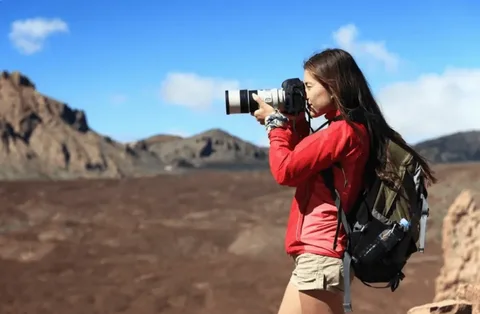
Taking a great photo is not about luck. It is about small choices. Where you stand. What you leave out. How you use light. These small choices make a big difference. If you use OncePik editing tools, you can turn an okay photo into a great one. This guide will show you simple tips that anyone can use, even if you are just starting.
Why Composition Matters
Composition means how you arrange things in your photo. It is like setting a table before a big meal. If everything is placed with care, the meal looks better. The same is true for photos.
A good composition guides the eye. It tells the viewer where to look first. Without good composition, even a beautiful scene can look messy or flat.
The Rule of Thirds
This is one of the oldest tricks in photography, and it still works today.
Imagine your photo is divided into nine equal boxes, like a tic-tac-toe board. Instead of placing your subject in the center, place it along one of the lines or where the lines cross. This makes the photo feel more balanced and natural.
Most phone cameras have a grid option. Turn it on. It will help you line up your shot without guessing.
Quick Tip
Try placing a person’s eyes on the top line of the grid. It instantly makes portraits look more professional.
Framing Your Shot the Smart Way
Framing is how you use the space around your subject. Good framing pulls the eye toward the main point of the photo.
Use Natural Frames
Look for things around you that can act like a frame. A doorway, a window, tree branches, or even a bridge can work. Place your subject inside this natural frame. It adds depth and makes the photo feel more real.
Leave Some Breathing Room
Do not crowd your subject. Leave space around it. This is called negative space. It helps the subject stand out and gives the photo a calm, clean look.
Playing With Light
Light can make or break a photo. You do not need fancy equipment to use light well.
Golden Hour Magic
The hour right after sunrise and right before sunset is called the golden hour. The light is soft and warm during this time. Shadows are gentler too. Many professional photographers plan their shoots around this time of day.
Avoid Harsh Midday Sun
Bright sun at noon can create hard shadows and make skin tones look flat. If you must shoot then, try to find some shade or use a light diffuser.
Boosting Your Creativity
Creativity is not something only a few lucky people have. It can be learned and practiced, just like any skill.
Try New Angles
Do not always shoot from eye level. Get low. Get high. Shoot from the side. A new angle can turn a boring photo into something exciting.
Break the Rules Sometimes
Rules like the rule of thirds are helpful, but they are not laws. Once you understand them, try breaking them on purpose. Center your subject. Fill the whole frame. See what happens. Some of the best photos came from breaking the rules.
A Simple Creative Exercise
Pick one object in your home. Take ten different photos of it using different angles, light, and framing. This simple habit builds your creative eye faster than reading tips alone.
Editing Makes a Real Difference
Even the best photographers edit their photos. Editing is not cheating. It is part of the process.
Small Adjustments Go a Long Way
You do not need to change the whole photo. Small tweaks to brightness, contrast, and color can make a photo pop. Cropping can also fix composition mistakes after the fact.
If you want an easier way to polish your shots, free online photo editing tools can help you adjust colors and sharpness without needing expert skills.
Keep It Natural
Over-editing can make photos look fake. Aim for edits that enhance the photo, not ones that change it completely. A natural look almost always feels more trustworthy to viewers.
Building a Habit of Practice
Like any skill, photography gets better with practice. Professional photographers still take hundreds of shots to get one great one. This is normal.
Study Photos You Love
Look at photos that catch your attention. Ask yourself why. Is it the light? The framing? The colors? Learning from photos you admire is one of the fastest ways to grow.
Use the Right Tools
Good tools do not replace skill, but they support it. Many creators today rely on AI-powered design and editing platforms to save time and get consistent results across their photos.
Final Thoughts
Great photos come from small, thoughtful choices. Composition guides the eye. Framing adds depth. Light sets the mood. And creativity ties it all together. None of these skills need expensive gear. They need practice, patience, and a willingness to try new things.
Start with one tip from this guide. Practice it this week. Then move to the next one. Over time, these small habits will add up to real improvement in your photos.
Frequently Asked Questions
1. What is the easiest tip for beginners to start with?
The rule of thirds is the easiest place to start. Turn on your camera’s grid and place your subject off-center.
2. Do I need expensive equipment to take good photos?
No. A phone camera works well. Good light and smart framing matter more than expensive gear.
3. What is the best time of day to take outdoor photos?
Early morning or late afternoon, known as the golden hour, gives the softest and most flattering light.
4. Is editing photos considered cheating?
No. Editing is a normal part of photography. Small adjustments help bring out the best in a photo.
5. How can I improve my creativity in photography?
Practice often, try new angles, and study photos you admire. Creativity grows with regular practice, not just talent.