
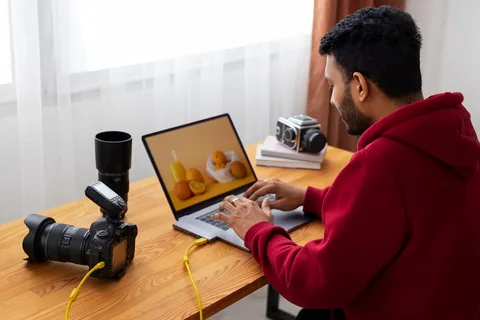
Photography is more than just pressing a button. A great photo tells a story, captures a feeling, and helps people remember special moments. While taking a good picture is important, photo editing and framing can make an image even better. These skills help photographers improve their work and create photos that stand out. Learning photo editing and framing may seem difficult at first. However, with the right guidance and practice, anyone can improve. This is where oncepik helps beginners and photography lovers learn modern photography skills simply and practically. Whether you use a camera or a smartphone, understanding how to edit and frame photos can help you create stronger and more attractive images. With oncepik, learning these techniques becomes easier and more enjoyable. Many beginners use oncepik to understand photography basics and improve their creative skills step by step.
Why Photo Editing Matters
Photo editing helps improve the quality of an image after it is taken. Even good photos can become better with small adjustments.
Editing helps photographers:
- Improve brightness
- Adjust colors
- Remove distractions
- Make details clearer
- Create a better overall look
Good editing does not mean changing everything. The goal is to improve the photo while keeping it natural.
Making Photos Look More Professional
Many photos look flat when they come straight from a camera or phone. Simple editing can make them more vibrant and appealing.
For example:
- A dark image can be brightened.
- Colors can look more balanced.
- Small distractions can be reduced.
These changes help photos look cleaner and more professional.
Bringing Attention to the Subject
Editing helps viewers focus on the most important part of the photo.
A few simple adjustments can guide the viewer’s eyes toward the main subject. This creates stronger visual impact and makes the image easier to understand.
Understanding Framing in Photography
Framing is one of the most important parts of photography. It means deciding what appears inside your photo and how it is arranged.
Good framing helps create balance and makes photos more interesting.
What Is Framing?
Framing is the way photographers place subjects within an image.
It helps:
- Direct attention
- Create visual balance
- Add depth
- Improve storytelling
A well-framed photo often feels more professional and attractive.
Why Framing Is Important
Without good framing, even a beautiful subject may not look appealing.
Imagine taking a portrait with distracting objects around the person. The viewer may focus on the wrong things.
Good framing removes distractions and highlights what matters most.
Basic Framing Techniques Every Beginner Should Learn
Learning a few simple framing methods can improve your photography immediately.
Center Framing
Center framing places the subject directly in the middle of the image.
This works well for:
- Portraits
- Pets
- Simple objects
It creates a clean and balanced look.
Natural Frames
Natural frames use objects around the subject.
Examples include:
- Doorways
- Windows
- Trees
- Archways
These elements naturally guide attention toward the subject.
Leading Lines
Roads, fences, paths, and bridges can lead the viewer’s eyes toward the main subject.
This creates a stronger visual journey and makes the image more engaging.
Leave Space Around the Subject
Not every photo needs to be tightly cropped.
Leaving some open space can make the image feel calm and balanced.
This technique is often used in modern photography.
Simple Photo Editing Techniques for Beginners
Editing should improve a photo without making it look fake.
Adjust Brightness
Brightness affects how light or dark a photo appears.
A small brightness adjustment can help reveal details and improve clarity.
Improve Contrast
Contrast creates separation between light and dark areas.
Adding a little contrast can make images appear more vibrant.
Enhance Colors Carefully
Colors should look natural.
Over-editing can make photos look unrealistic. Small improvements often produce the best results.
Crop for Better Composition
Cropping removes unnecessary parts of a photo.
It helps:
- Improve framing
- Remove distractions
- Strengthen composition
A good crop can completely change how a photo feels.
Combining Editing and Framing for Better Results
The best photos use both strong framing and smart editing.
Start with Good Framing
A well-composed photo requires less editing later.
Before pressing the shutter:
- Check the background
- Remove distractions
- Position the subject carefully
Good habits during shooting save time later.
Use Editing to Support the Story
Editing should strengthen the story already present in the image.
For example:
- Warm tones can create a cozy feeling.
- Bright images can feel cheerful.
- Darker tones may create drama.
Small changes can have a big impact.
Common Editing Mistakes to Avoid
Many beginners make similar mistakes when learning photo editing.
Over Editing
Too much editing often makes photos look unnatural.
Avoid:
- Extreme colors
- Very high contrast
- Excessive sharpening
Natural results usually look better.
Ignoring the Original Image
Editing cannot completely fix a poor photo.
A good image starts with proper framing and lighting.
Following Every Trend
Photography trends change often.
Instead of copying every trend, focus on creating clean and timeless images.
Building Your Photography Eye
Photography is not only about equipment.
Great photographers learn to notice details.
Observe Light
Pay attention to:
- Morning light
- Evening light
- Indoor light
- Outdoor shadows
Understanding light improves every photo.
Study Everyday Scenes
Practice seeing photo opportunities everywhere.
Look at:
- Streets
- Parks
- Homes
- Cafes
Interesting photos can be found in ordinary places.
Practice Daily
The best way to improve is through consistent practice.
Even a few photos each day can help develop better skills over time.
How OncePik Helps Photographers Improve
Learning photography becomes easier when information is simple and practical.
oncepik helps photographers understand editing and framing techniques without overwhelming explanations.
- Easy learning
- Practical examples
- Modern photography ideas
- Beginner-friendly guidance
By studying simple techniques and applying them regularly, photographers can improve their skills step by step.
Whether you enjoy portraits, travel photography, lifestyle photography, or creative photography, the lessons available through oncepik can help build confidence and encourage growth.
Small Changes Create Big Results
Many photographers think improvement requires expensive equipment.
The truth is different.
Better framing, smarter editing, and consistent practice often create the biggest improvements.
A simple photo with strong composition and thoughtful editing can be more powerful than a complicated image taken with expensive gear.
Conclusion
Mastering photo editing and framing takes time, but every beginner can learn these skills. Good framing helps organize a photo and direct attention. Smart editing improves quality while keeping images natural and attractive. The key is to practice regularly, study successful photos, and focus on small improvements. Over time, these simple habits lead to stronger photography skills. With guidance from oncepik, photographers can learn modern editing and framing techniques clearly and practically. Every photo becomes an opportunity to learn, improve, and tell better visual stories.
FAQs
1. What is photo framing?
Photo framing is how a subject is placed inside a picture to create balance and focus.
2. Why is photo editing important?
Photo editing improves brightness, colors, and overall image quality.
3. Can beginners learn photo editing easily?
Yes. Simple editing techniques can be learned through practice and patience.
4. What is the biggest framing mistake?
Including too many distractions around the main subject.
5. How can I improve my photography quickly?
Practice regularly, study good photos, and focus on framing and editing basics.