
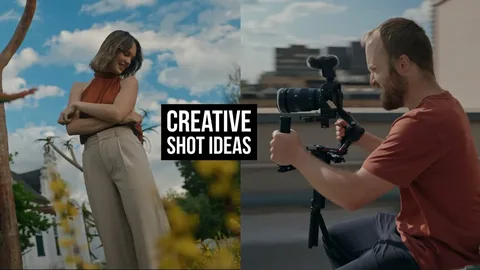
Cinematic photography is one of the most exciting styles in modern photography. It turns ordinary scenes into powerful visual stories. A cinematic photo can make people feel emotion, wonder, or curiosity with just one image. Many photographers love this style because it creates photos that look like scenes from a movie. The good news is that you do not need expensive equipment or years of experience to start. With practice, creativity, and the right learning approach, anyone can improve their cinematic photography skills. OncePik helps beginners and photography lovers understand this style in a simple and practical way.
This guide explains everything you need to know about cinematic photography. You will learn what it is, why it is popular, and how you can create cinematic images that stand out.
What Is Cinematic Photography?
Cinematic photography is a style that makes photos look like scenes from a film. It focuses on storytelling, mood, emotion, and atmosphere.
Instead of simply taking a picture of a person or place, cinematic photography tries to create a feeling. Every part of the image works together to tell a story.
A cinematic photo often includes:
- Strong emotions
- Interesting lighting
- Thoughtful composition
- A clear subject
- Storytelling elements
The goal is to make viewers stop and imagine what is happening in the scene.
Why Cinematic Photography Is So Popular
People love stories. A cinematic image feels different from a regular photo because it creates curiosity.
When someone sees a cinematic photo, they may ask:
- What happened before this moment?
- What happens next?
- What is the person thinking?
This emotional connection makes cinematic photography very powerful.
It Creates Emotion
Photos that make people feel something are often remembered longer. Cinematic photography focuses heavily on mood and emotion.
It Looks Professional
Even simple scenes can look more professional when photographed in a cinematic style.
It Helps Build Creativity
This style encourages photographers to think beyond basic snapshots and create visual stories.
Understanding the Story Behind the Photo
The secret to cinematic photography is storytelling.
Before taking a photo, think about the story you want to tell.
Ask yourself:
- Who is the main subject?
- What emotion should viewers feel?
- What message does the image share?
These simple questions can help create stronger photographs.
Example of a Simple Story
Imagine a person standing alone on a quiet road during sunset.
The image may suggest:
- Reflection
- Adventure
- Loneliness
- Hope
One simple scene can tell many different stories.
Choosing the Right Location
Location plays a major role in cinematic photography.
You do not need a famous place. Many amazing cinematic photos are taken in ordinary locations.
Urban Streets
City streets often provide:
- Interesting backgrounds
- Natural movement
- Unique lighting
Parks and Nature
Natural environments can create peaceful and emotional scenes.
Empty Areas
Quiet roads, open fields, and empty spaces often add drama to a photograph.
The key is finding locations that support the story you want to tell.
Using Light to Create Mood
Light is one of the most important parts of cinematic photography.
Different types of light create different feelings.
Soft Morning Light
Morning light often creates calm and peaceful images.
Golden Hour Light
The time shortly before sunset is popular because the light feels warm and beautiful.
Night Lighting
Street lights and city lights can create dramatic cinematic scenes.
Watch the Direction of Light
Light coming from different directions changes the mood of the image.
Experiment with different positions and observe how the scene changes.
Making the Subject Stand Out
Every cinematic photo needs a clear subject.
The subject is the main focus of the story.
It could be:
- A person
- A vehicle
- An animal
- An object
Avoid making the image too crowded. Keep attention on the main subject.
Keep It Simple
Many beginners try to include too many elements.
Simple images often tell stronger stories.
Capturing Real Emotions
Real emotions make cinematic photos more powerful.
Instead of forcing expressions, encourage natural reactions.
Some useful ideas include:
- Talking with the subject
- Letting them move naturally
- Capturing candid moments
Natural emotions help create authentic storytelling.
Understanding Composition
Composition means how elements are arranged inside a photo.
Good composition helps guide the viewer’s eyes.
Leave Space Around the Subject
Extra space can create a dramatic feeling.
Use Leading Lines
Roads, pathways, and fences naturally guide attention toward the subject.
Keep Backgrounds Clean
A clean background helps viewers focus on the story.
Creating Depth in Your Photos
Depth makes photos feel more realistic and immersive.
You can create depth by including:
- Objects in the foreground
- A clear subject in the middle
- Background details
This layered approach makes images more engaging.
Adding Movement to the Scene
Movement can make cinematic photos feel alive.
Examples include:
- Walking subjects
- Flowing clothing
- Moving vehicles
- Wind in the trees
Movement adds energy and realism.
Small Movements Matter
Even small actions can improve storytelling.
A person looking away or taking a step forward can completely change the mood.
Color and Mood in Cinematic Photography
Colors influence how people feel when viewing a photo.
Warm Colors
Warm tones often create feelings of comfort and happiness.
Cool Colors
Cool tones can create mystery, calmness, or drama.
Balanced Colors
Balanced color choices help keep attention on the story rather than distractions.
Understanding color can improve the emotional impact of your images.
Common Mistakes Beginners Make
Many photographers make similar mistakes when learning cinematic photography.
Focusing Only on Equipment
Good storytelling matters more than expensive gear.
Ignoring the Background
A distracting background can weaken a strong image.
Overcomplicating the Scene
Simple stories often create the strongest results.
Not Practicing Enough
Photography improves through regular practice.
Every photo teaches something valuable.
Practical Ways to Improve Faster
Improvement comes from consistent effort.
Study Movie Scenes
Watch films and observe:
- Lighting
- Framing
- Colors
- Emotions
Movies are full of inspiration.
Take Photos Regularly
Practice helps develop creative vision.
Try photographing different locations and situations.
Review Your Work
Look at your photos carefully.
Ask:
- What works well?
- What could improve?
- Does the image tell a story?
Learning from past photos speeds up growth.
Building Your Own Cinematic Style
Every photographer develops a unique style over time.
Do not copy others completely.
Instead:
- Learn from inspiration
- Experiment often
- Discover what you enjoy creating
Your personal style will naturally grow with experience.
Stay Consistent
Consistent practice helps build confidence and skill.
The more you shoot, the more your creative voice develops.
Why Storytelling Matters Most
Many people think cinematic photography is only about lighting or colors.
In reality, storytelling is the heart of everything.
A photo with a strong story often creates a greater impact than a technically perfect image.
Viewers connect with emotions, moments, and experiences.
When your image tells a story, people remember it.
Final Thoughts
Cinematic photography is a creative and rewarding style that helps transform ordinary scenes into memorable visual stories. It focuses on emotion, atmosphere, storytelling, and thoughtful composition. You do not need expensive equipment to begin. What matters most is learning to observe moments, understand light, and communicate feelings through your images.
With patience, practice, and a willingness to experiment, anyone can improve. Start with simple stories, explore different locations, work with natural light, and focus on creating emotion in every frame. Over time, your confidence will grow and your cinematic photography skills will continue to improve.
FAQs
1. What is cinematic photography?
Cinematic photography is a style that makes photos look like scenes from a movie and focuses on storytelling.
2. Do I need an expensive camera?
No. Many great cinematic photos can be created with basic cameras or smartphones.
3. What is the best time for cinematic photos?
Morning and sunset often provide beautiful natural light for cinematic images.
4. Why is storytelling important?
Storytelling helps create emotion and makes photos more memorable.
5. How can beginners improve quickly?
Practice regularly, study movie scenes, and focus on creating simple stories through photography.