
Photography is more than just clicking a camera. It’s a way to capture stories, emotions, and moments. Every photo you take can tell a story, show a mood, or share a feeling. But to take better photos, it helps to understand different photography styles. Each style has its own rules, approach, and purpose. When you know them, you can choose the style that fits your subject or scene best.
Beginners often feel confused about which style to try first. Using oncepik, you can learn practical tips and examples for each photography style. Oncepik gives guidance on lighting, composition, and framing that is easy to follow. Beginners can also see examples to understand how each style works in real-life situations. With practice and observation, you will find your own style and create beautiful, meaningful photos. Oncepik can be a helpful guide throughout this journey, providing insights into different photography methods and helping photographers build confidence.
Portrait Photography
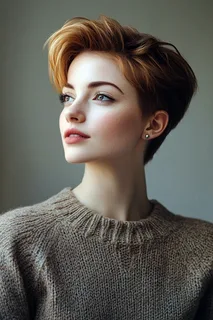
Portrait photography focuses on capturing a person. It shows their personality, mood, or story. This style is one of the most popular types of photography. It can be used for family photos, professional headshots, or creative art.
Classic Portraits
Classic portraits are simple and timeless. They focus on the face with soft lighting and a plain background. The main goal is to show the subject clearly. Beginners should start here to practice basic skills like focus, framing, and lighting.
Tips for Classic Portraits
-
Use soft lighting from a window or a softbox.
-
Keep the background clean and simple.
-
Focus on the eyes to bring life to the portrait.
-
Use a tripod to prevent blurry shots.
Lifestyle Portraits
Lifestyle portraits capture people in real-life settings. They are natural and candid. The photographer observes the subject rather than giving strict poses. This style is ideal for storytelling, showing daily life, hobbies, or interactions.
How to Shoot Lifestyle Portraits
-
Take photos of people doing everyday activities.
-
Use natural light whenever possible.
-
Avoid forcing the subject into poses.
-
Include the surroundings to tell a story.
Landscape Photography
Landscape photography is about capturing the beauty of nature or cityscapes. It includes mountains, rivers, beaches, or streets. This style focuses on scenery and the environment rather than people.
Key Tips for Landscape Photography
-
Shoot during golden hours (early morning or late afternoon) for soft light.
-
Use a tripod for sharp images.
-
Pay attention to composition, such as the rule of thirds.
-
Include interesting foreground elements to add depth.
Common Types of Landscapes
-
Nature landscapes (mountains, forests, beaches)
-
Urban landscapes (streets, skylines, buildings)
-
Aerial landscapes (taken from drones or high viewpoints)
Equipment Tips
-
Wide-angle lenses are ideal for capturing large scenes.
-
Filters can help control light and enhance colors.
-
Use manual settings to control exposure and focus.
Street Photography
Street photography captures life in public spaces. It tells stories about everyday people and urban life. This style is spontaneous and natural. Photographers often work without arranging the scene.
How to Start Street Photography
-
Walk around your city and observe life.
-
Look for interesting actions, expressions, or interactions.
-
Use small, unobtrusive cameras to stay natural.
-
Capture moments quickly, without disturbing the subject.
Tips for Beginners
-
Focus on composition and lighting.
-
Be patient; the best shots take time.
-
Learn to anticipate moments.
-
Respect privacy and local laws.
Environmental Portraits
Environmental portraits show people in their surroundings. They combine portrait photography with storytelling. For example, a chef in a kitchen or an artist in their studio. This style gives context about the subject’s life or work.
Tips for Environmental Portraits
-
Choose a location that reflects the subject’s life.
-
Include props or items that add meaning.
-
Ensure the subject is still the main focus.
-
Use lighting to highlight both subject and environment.
Common Mistakes to Avoid
-
Too much clutter in the background.
-
Poor lighting that hides details.
-
Ignoring the story behind the person.
-
Overposing the subject.
Creative Photography
Creative photography allows imagination and experimentation. It can include unusual angles, colors, or props. This style encourages photographers to try new things and be bold.
Tips for Creative Photography
-
Experiment with lighting, shadows, and color.
-
Try different camera angles or perspectives.
-
Use props to make photos unique.
-
Don’t be afraid to break rules and explore ideas.
How to Inspire Creativity
-
Look at other photographers’ work for ideas.
-
Try editing styles or filters to enhance your vision.
-
Mix photography styles for interesting results.
-
Use oncepik to explore examples and practice new techniques.
Black and White Photography
Black-and-white photography removes color to focus on shapes, contrast, and emotion. It can make portraits, street shots, or landscapes feel timeless and dramatic.
How to Shoot Black and White
-
Focus on light and shadows.
-
Capture textures, patterns, and expressions.
-
Convert color photos to black and white during editing.
-
Use minimal distractions in the frame.
Tips for Beginners Across Styles
-
Observe how light affects the scene or subject.
-
Practice regularly; improvement comes with time.
-
Start simple before experimenting.
-
Pay attention to composition and framing.
-
Review and analyze your work to learn from mistakes.
-
Use online guides and examples to gain inspiration.
Photography is a journey. Every shot teaches you something new. By exploring different styles, beginners can find the style that best suits their interests. Using oncepik for guidance helps build confidence and skill.
Conclusion
Understanding different photography styles is key to taking better photos. Portraits, landscapes, street shots, environmental portraits, creative photography, and black-and-white shots all offer unique opportunities. Beginners should explore each style step by step. Practical tips on lighting, composition, and subject focus help improve results. With observation, patience, and practice, anyone can capture beautiful, meaningful images that tell stories and evoke emotions.
FAQs
Q1: What is the easiest photography style for beginners?
A: Portrait photography and landscape photography are usually the easiest to start with.
Q2: Can I use a smartphone to try these styles?
A: Yes, modern smartphones are great for practicing most photography styles.
Q3: How important is lighting in photography?
A: Very important. Light affects mood, clarity, and the quality of your photos.
Q4: Do I need expensive equipment?
A: No. Start simple. Skills and observation matter more than fancy cameras.
Q5: How can I improve quickly?
A: Practice regularly, analyze your work, and learn from real examples like those on oncepik.