
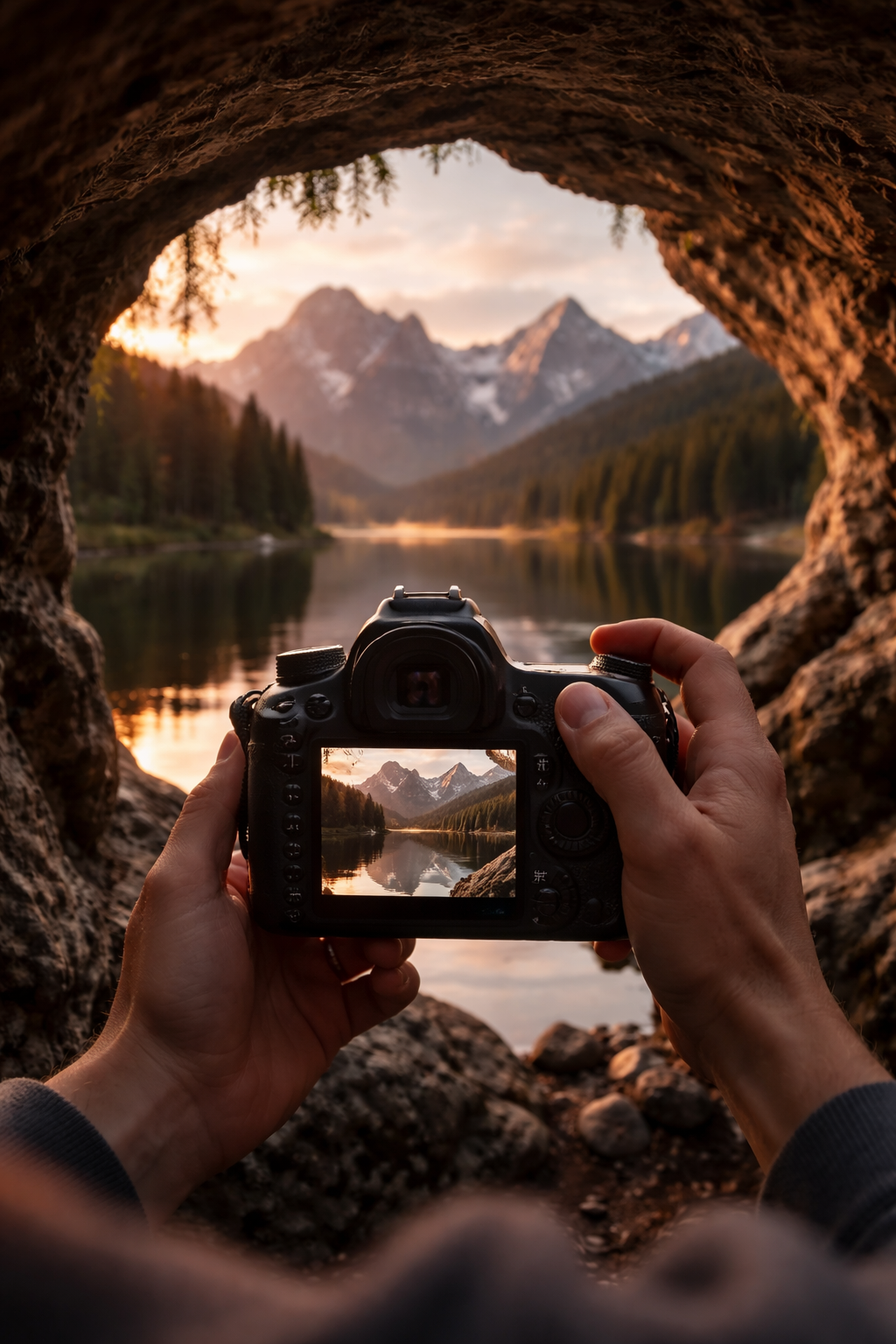
Photography is more than just pointing a camera. It is about telling a story, capturing emotions, and making viewers feel something. One of the most powerful ways to improve your photos is through framing. Framing guides the viewer’s eye, emphasizes the subject, and can turn an ordinary photos into something remarkable.
When beginners start photography, they often focus on the subject but forget about the surroundings. Using once pik, you can learn how framing works in real situations. Framing helps create depth, context, and focus. With practice, you will notice how much more impactful your photos become. Many photographers use oncepik techniques to make simple shots look professional and memorable. Over time, framing will feel natural, and your images will communicate more than just a visual—they will tell a story.
Framing is more than just a technical trick. It is about understanding space, composition, and perspective. Using oncepik, you can experiment with different styles, try new angles, and explore creative ways to highlight your subject.
What is Framing in Photography?
Framing is the act of using elements in your scene to create a border around your subject. It draws attention to what is important and can add layers of meaning to the photo.
Why Framing Matters
-
Focus: It helps viewers know what to look at.
-
Depth: Frames add a sense of dimension to flat images.
-
Storytelling: Frames can hint at the environment, mood, or context.
-
Creativity: Framing encourages thinking beyond the obvious composition.
Framing can be as simple as using tree branches, windows, doors, or shadows. It can also involve creative methods, like reflections in water or mirrors.
Types of Framing in Photography
Different types of framing can produce different effects. Knowing these can help you choose the right style for your subject.
Natural Frames
Natural frames are objects that exist in the environment. Examples include:
-
Trees and branches
-
Archways or tunnels
-
Windows and doors
-
Mountains or rocks
Natural frames are easy to find outdoors. They make the photo feel organic and immersive.
Artificial Frames
Artificial frames are created using objects you add or control. For example:
-
Curtains or drapes
-
Fences or gates
-
Furniture in indoor photography
Artificial frames allow you to guide attention precisely where you want it.
Light as a Frame
Light can also frame your subject. Using shadows or bright spots, you can highlight the important areas. This technique adds mood and drama to your photos.
Techniques to Use Framing Effectively
Using framing well requires awareness and practice. Here are some practical techniques to improve your framing skills.
Fill the Frame
Zoom in or move closer to your subject. Filling the frame reduces distractions and emphasizes what matters most.
Layer Your Shots
Using multiple frames in a photo creates depth. For instance, shooting through a window while including objects in the foreground and background adds layers.
Leading Lines
Lines in your scene can guide the viewer’s eye toward the subject. Roads, bridges, or fences often act as natural guides.
Rule of Thirds
Place your subject along the imaginary grid lines of your frame. Combining framing with the rule of thirds makes the photo more balanced and visually appealing.
Experiment with Angles
Try shooting from above, below, or through objects. A unique perspective can transform a simple scene into a compelling image.
Framing in Portrait Photography
Framing is particularly useful in portraits. It helps highlight the subject while adding context about their environment or personality.
Indoor Portraits
Use windows, doorways, or furniture to frame your subject indoors. This makes the portrait feel natural and focused.
Outdoor Portraits
Tree branches, arches, or pathways can create beautiful frames outdoors. The frame can also tell a story about the location.
Creative Portrait Framing
Try using reflective surfaces, shadows, or objects in the foreground. Framing doesn’t have to be literal—it can be symbolic or abstract.
Framing in Landscape Photography
Even in landscapes, framing is essential. It gives scale and context.
Foreground Frames
Including objects in the foreground, like rocks or plants, adds depth to vast landscapes.
Natural Borders
Mountains, trees, or rivers can act as natural borders to frame the main scenery.
Sky and Horizon Frames
Clouds, light beams, or silhouettes can frame the scene from above. This draws attention to the central subject and enhances composition.
Common Mistakes to Avoid
Framing is powerful, but beginners often make mistakes. Knowing these pitfalls will save you time and frustration.
Overcrowding the Frame
Adding too many objects can confuse the viewer and distract from the main subject.
Ignoring Backgrounds
A messy or bright background can take attention away from your subject. Always check the full scene before shooting.
Poor Focus
Make sure your subject stays sharp. Blurry frames can ruin the composition.
Relying on One Frame Style
Experiment with multiple framing techniques. Avoid using the same style in every photo—it limits creativity.
Tips for Practicing Framing
-
Observe your environment carefully. Look for natural frames in everyday scenes.
-
Move around the subject to find better angles.
-
Try different lenses and distances to see how framing changes.
-
Experiment with lighting to see how shadows and highlights act as frames.
-
Review your shots critically and note what worked and what didn’t.
The Impact of Framing on Storytelling
Framing is not just visual—it’s emotional. A good frame can:
-
Show intimacy in a portrait
-
Emphasize grandeur in landscapes
-
Guide viewers to the main action
-
Add mystery or intrigue
By thinking about frames before pressing the shutter, photographers create images that are more than just pictures—they tell stories.
Conclusion
Framing is a simple yet powerful tool in photography. It helps guide attention, adds depth, and makes your images stand out. Whether you are shooting portraits, landscapes, or creative projects, understanding framing can transform ordinary photos into powerful images. With observation, practice, and patience, framing will become second nature, and your photos will communicate more effectively than ever. Using techniques from oncepik, you can master framing and elevate your photography skills.
FAQs
Q1: What is framing in photography?
A: Framing is using objects or elements to create a border around your subject.
Q2: Can framing work indoors and outdoors?
A: Yes, both natural and artificial frames can be used in any setting.
Q3: Does framing improve portraits?
A: Yes, it highlights the subject and adds context or story.
Q4: Can beginners use framing easily?
A: Yes, with practice and observation, framing becomes natural.
Q5: What are simple framing objects for beginners?
A: Trees, windows, doors, fences, or any foreground objects work well.