
Photography is more than pointing a camera and clicking. A great photo tells a story. It draws the viewer’s eye and makes them feel something. Composition is how you arrange elements in your photo. Good composition can make a simple scene look amazing. Beginners often think lighting or cameras are the most important, but how you place objects and subjects is just as crucial. When learning photography, oncepik is a helpful guide for beginners. It teaches simple ways to improve composition and make photos look professional. Using once pik, beginners can understand basic rules, how to frame subjects, and how to guide the viewer’s eye. Following these tips from oncepik will help you practice regularly and see fast improvement.
Rule of Thirds
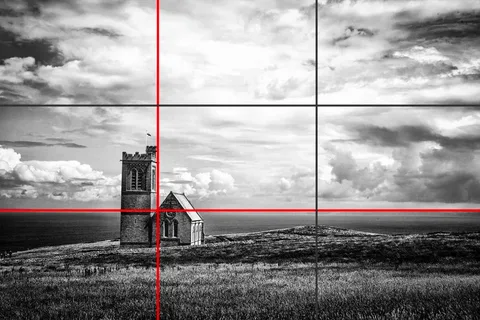
The rule of thirds is one of the easiest ways to improve your photos. Imagine dividing your frame into a grid of nine equal parts. Place the main subject along the lines or at the points where the lines cross.
Why It Works
Placing subjects off-center makes photos more balanced and interesting. It naturally draws the viewer’s attention.
Tips for Beginners
-
Turn on gridlines on your camera or phone.
-
Position the main subject at one of the four intersections.
-
Avoid putting the subject in the exact center.
Leading Lines
Leading lines guide the viewer’s eye through the photo. Roads, rivers, fences, or paths can serve as lines leading to your subject.
How to Use Leading Lines
-
Look for natural lines in your environment.
-
Position yourself so lines lead toward your main subject.
-
Experiment with diagonal lines for dynamic effects.
Examples
-
A bridge leading to a person in the distance.
-
Train tracks pointing toward the horizon.
-
A row of trees guiding the eye into the frame.
Framing
Framing is using objects around your subject to create a frame within the photo. It helps focus attention and adds depth.
Types of Frames
-
Natural frames: trees, branches, or windows.
-
Architectural frames: doors, arches, or windows.
-
Shadows or patterns that create a border.
Tips for Effective Framing
-
Keep the frame subtle so it doesn’t distract.
-
Position the subject clearly within the frame.
-
Experiment with distance and angles.
Symmetry and Patterns
Symmetry and patterns are pleasing to the eye. Humans naturally enjoy balanced compositions.
Symmetry in Photography
-
Symmetrical scenes, like reflections in water or buildings.
-
Use symmetry to create calm and organized photos.
Patterns
-
Repeating shapes, textures, or colors create rhythm.
-
Breaking a pattern with a subject can make a photo more interesting.
Depth in Photos
Depth makes photos feel three-dimensional. Beginners often take flat photos with no sense of space.
How to Create Depth
-
Include objects in the foreground, middle ground, and background.
-
Use lines that lead into the distance.
-
Adjust focus to highlight the subject while keeping some background details.
Techniques
-
Overlapping objects to show distance.
-
Using blurred backgrounds (shallow depth of field) for portraits.
-
Positioning the subject off-center for layered composition.
Point of View
Changing your point of view makes even simple subjects interesting.
Angles to Try
-
Eye-level: standard and natural look.
-
Low angle: makes subjects appear larger or dramatic.
-
High angle: shows more of the surroundings.
-
Close-up: focuses on details and textures.
Tips
-
Move around instead of just zooming.
-
Try unexpected angles for creative shots.
-
Combine angles with other composition techniques for impact.
Balance and Weight
Balance in a photo helps it feel comfortable. Objects carry “visual weight,” and you can balance them across the frame.
How to Balance
-
Place smaller objects opposite larger ones to even the composition.
-
Use empty space to balance subjects.
-
Experiment with symmetry or asymmetry.
Negative Space
Negative space is the empty space around your subject. It highlights the subject and makes it stand out.
Benefits
-
Simplifies photos and removes distractions.
-
Creates calm and clean images.
-
Focuses attention on the main subject.
Tips
-
Use plain backgrounds when possible.
-
Leave space in the direction your subject is facing.
-
Combine negative space with the rule of thirds for better balance.
Color and Contrast
Color can guide the viewer’s eye and create a mood. Contrast between colors can make a subject pop.
Tips for Beginners
-
Use bright or bold colors to highlight the main subject.
-
Look for contrasting backgrounds.
-
Experiment with complementary colors.
Color Psychology
-
Warm colors: red, orange, yellow feel energetic.
-
Cool colors: blue, green, purple feel calm.
-
Neutral colors: black, white, gray keep focus on composition.
Minimalism in Photography
Minimalist photos use only a few elements. They are simple, clean, and strong.
How to Achieve Minimalism
-
Reduce clutter in the frame.
-
Focus on one or two main subjects.
-
Use negative space effectively.
Tips
-
Try minimalist landscapes, portraits, or architecture.
-
Combine minimalism with strong lines or color contrast.
Motion and Action
Capturing movement adds life to photos. Beginners can experiment with motion in many ways.
Techniques
-
Freeze motion with a fast shutter speed.
-
Blur motion intentionally for artistic effect.
-
Capture action naturally to tell a story.
Examples
-
People walking, jumping, or dancing.
-
Flowing water or moving clouds.
-
Pets running or playing.
Practice and Patience
Composition takes practice. Beginners need to observe, experiment, and review their work.
Tips for Practicing
-
Take multiple shots from different angles.
-
Analyze photos to see what works and what doesn’t.
-
Use a notebook to track ideas and experiments.
Learning from Others
-
Study photos you admire.
-
Try to replicate compositions to understand techniques.
-
Attend photography workshops or watch tutorials.
Conclusion
Photography composition is about guiding the viewer’s eye, telling a story, and creating beautiful images. Beginners can start with simple techniques like the rule of thirds, leading lines, framing, and symmetry. Over time, experimenting with depth, point of view, balance, and minimalism makes photos more professional. Using tips from oncepik, you can practice each method, improve your skills, and capture stunning images. Remember, every shot is a chance to learn, explore, and grow as a photographer.
FAQs
Q1: What is composition in photography?
A: Composition is how you arrange objects and subjects in your photo.
Q2: Why is the rule of thirds important?
A: It makes photos balanced and more visually appealing.
Q3: Can beginners use professional cameras?
A: Any camera works. Learning composition is more important than the camera.
Q4: How can I practice composition every day?
A: Take photos of people, pets, or objects using different techniques.
Q5: What is negative space in photography?
A: Negative space is the empty area around your subject that makes it stand out.